
- The case
- Khachikyan v. Hahn (In re Khachikyan), 335 B.R. 121 (9th Cir. BAP 2005)
- Attorney for debtor-appellant
- Henrik Mosesi
- Argued
- July 29, 2005
- Decided
- November 2, 2005
- Result
- Reversed
A second chance, denied
By the summer of 2004, Vigen Khachikyan had lost nearly everything that had once made his financial life recognizable. His marriage had fractured. His employment had disappeared. Credit-card debt had become overwhelming. He was living with his mother, earning about $500 a month as a self-employed driver, and facing debts that had grown to nearly $184,000.
For someone in those circumstances, the bankruptcy system offered what courts have long described as one of its purposes: a fresh start. When Khachikyan sought protection under Chapter 7, the federal government objected.
The United States Trustee argued that earlier credit-card activity was a substantial abuse of the system. The bankruptcy court agreed and dismissed the case.
The question was not whether the borrowing had been unwise. It was whether Chapter 7 could be denied without proof connecting the earlier borrowing to an effort to abuse bankruptcy.
Henrik Mosesi challenged the dismissal. The appeal produced a published opinion of the Ninth Circuit Bankruptcy Appellate Panel. The appellate court reversed.
Seventeen credit cards and a collapse
In 2002, while employed and living with his wife, Khachikyan used seventeen credit cards. He charged about $20,000 for purchases and accumulated about $95,000 through balance transfers, cash advances, and convenience checks.
The chronology mattered. In May 2003 he lost a job that had paid more than $37,000 a year. Around the same time, he separated from his wife. He made no new credit-card charges in 2003 or 2004, while interest and fees continued to increase the balance.
By June 9, 2004, when he filed, the credit-card debt was $183,831.73. Monthly income was about $500 and reported monthly expenses were $453.33. There was almost no disposable income and no realistic ability to fund a Chapter 13 plan.
The appeal
Mosesi brought the case to the Ninth Circuit Bankruptcy Appellate Panel. One argument was procedural: the debtor sought greater protections, including discovery and an adversary proceeding. The second went to the substance. Even if some abusive borrowing could justify dismissal under the law then in effect, the government had not shown a connection between the 2002 borrowing and the 2004 filing.
A person who borrows while secretly planning to discharge the debt is one case. A person who incurs debt, then loses a job, separates from a spouse, and becomes unable to pay is another. The government could not assume the second was the first.
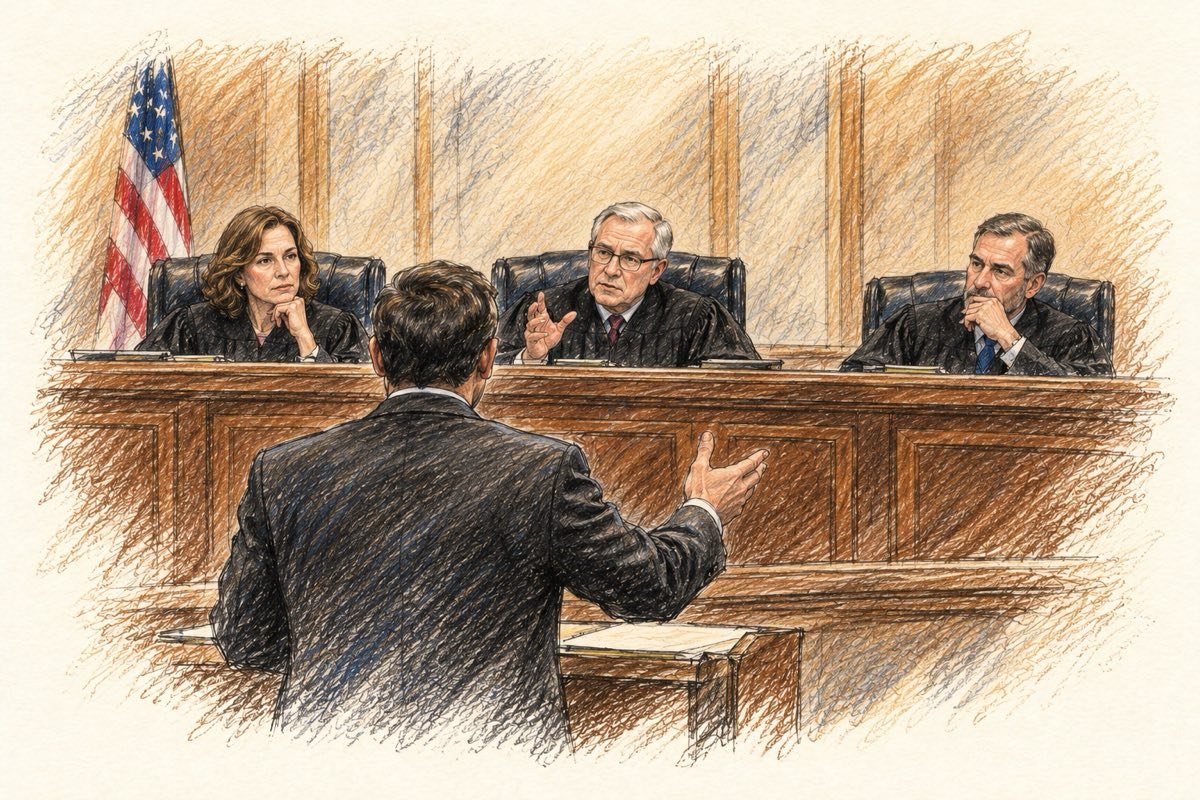
On July 29, 2005, Mosesi appeared before Bankruptcy Judges Christopher M. Klein, Edward J. Montali, and Philip H. Brandt. Judge Klein wrote the opinion.
The missing connection
On November 2, 2005, the panel reversed. The opinion focused on the absence of evidence connecting the earlier borrowing to an abusive filing. Troubling financial behavior and substantial abuse of the bankruptcy process were not the same thing.
There was no evidence Khachikyan had contemplated bankruptcy when he incurred the card debt. Unemployment and separation explained the later collapse. The lack of disposable income left no realistic Chapter 13 alternative. The required connection had not been established.
The panel rejected the separate procedural challenge, concluding that the contested-matter procedure was appropriate and that discovery was available under the rules. On the decisive issue, however, the debtor prevailed. The bankruptcy court had applied § 707(b) incorrectly.
The distinction between suspicion and proof was the appellate victory.
Why publication matters
Most bankruptcy disputes never produce a published appellate decision. Publication in the Bankruptcy Reporter made the reasoning available to judges, lawyers, and scholars. The decision has since been cited in later opinions addressing discovery, evidentiary hearings, and contested matters.
The case is a Bankruptcy Appellate Panel decision, not a Supreme Court ruling. Congress amended § 707(b) in the Bankruptcy Abuse Prevention and Consumer Protection Act of 2005. Khachikyan’s petition was filed before the new provisions took effect, so the panel applied the older substantial-abuse standard. The substantive holding must be read in light of that change.
The meaning of a fresh start
The bankruptcy system recognizes that people who have made serious financial mistakes may still deserve a chance to begin again. That proposition is not unlimited. Fraud has consequences, and abuse provisions permit dismissal when their requirements are met. Those safeguards also have to remain within the boundaries Congress set.
In re Khachikyan is the story of a debtor whose finances collapsed, a government challenge, an attorney who appealed, and an appellate court that required proof before Chapter 7 relief could be denied.
Read the primary source
The official 15-page opinion identifies Henrik Mosesi as counsel for the appellant and records the panel’s reversal.
Open the court-hosted PDF →This page is a historical account of a published decision. It is not legal advice and does not predict a result in any other case.